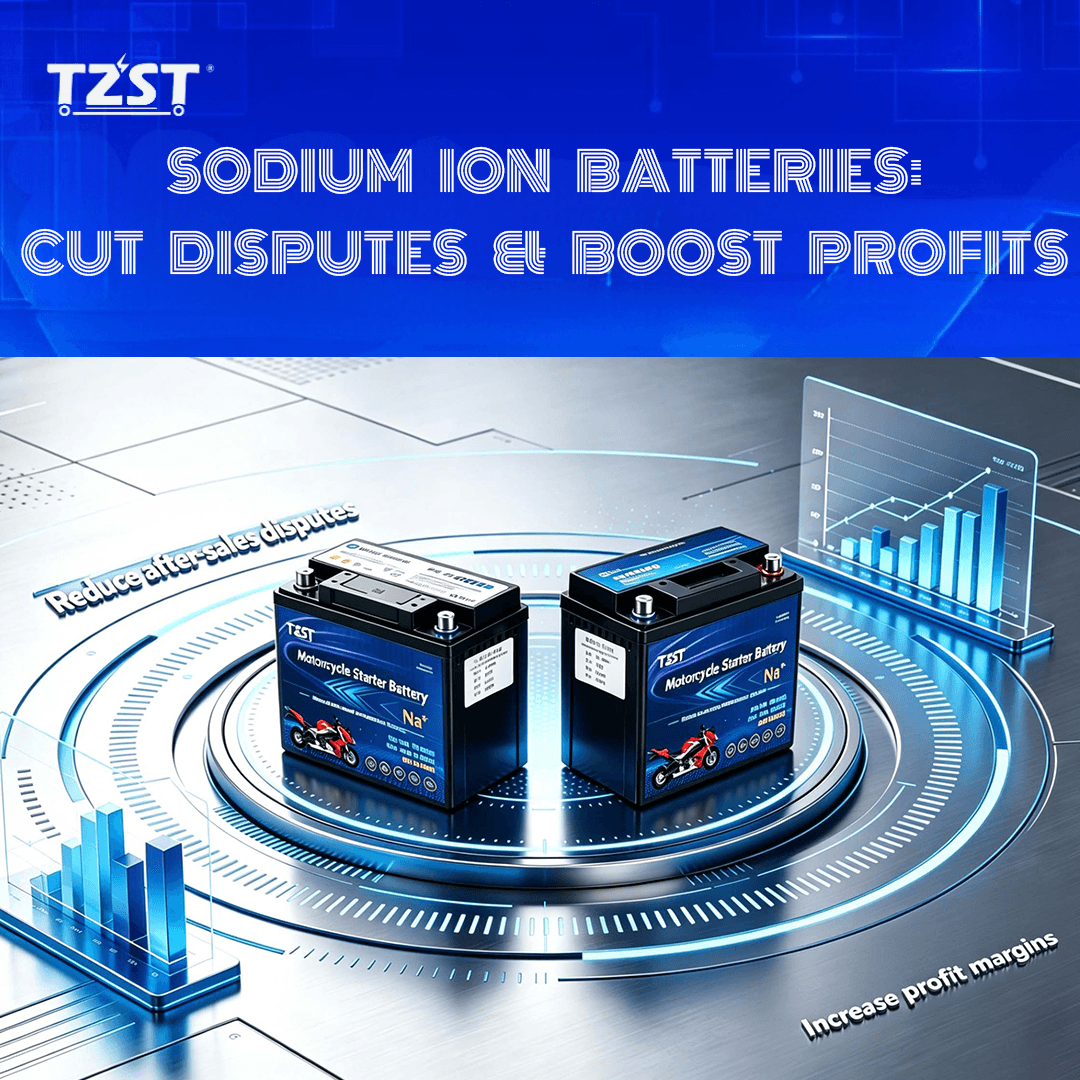
Sodium ion motorcycle battery solutions are redefining profitability for global motorcycle parts distribution networks, addressing long-standing pain points that have plagued product lines for decades. According to the 2026 Global Two-Wheeler Component Industry Report, distributors lose an average of 8.7% of annual revenue to unresolved product disputes, most of which stem from ambiguous fault attribution for power components. As the latest sodium-ion battery news confirms, this emerging technology paired with smart operational support eliminates nearly 70% of these unnecessary costs, making it one of the highest-margin product additions for 2026.
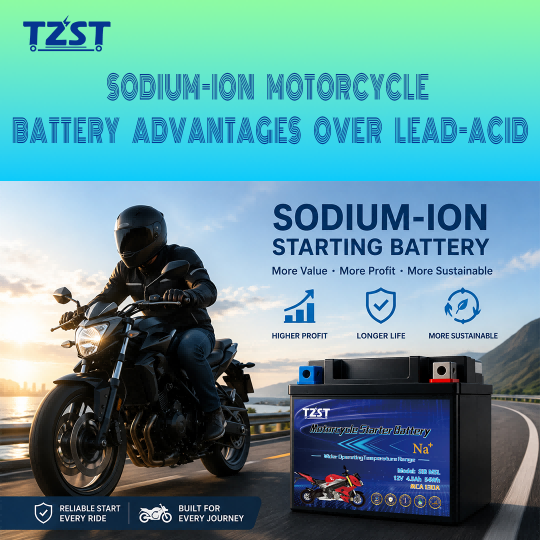
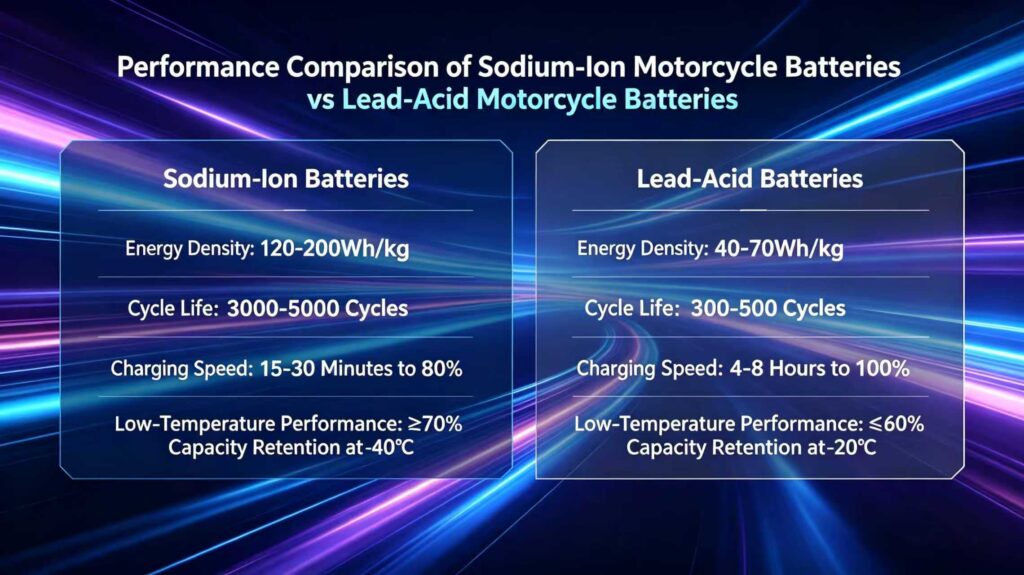
A 12V sodium-ion battery is engineered to outperform traditional lead-acid alternatives across every core performance metric, from temperature tolerance to cycle life. For markets with high humidity and year-round high temperatures, these units maintain consistent output even in 50℃ operating environments, reducing sudden performance drops that trigger end-user complaints. Unlike lead-acid units that degrade 40% faster under frequent partial charge conditions common in urban motorcycle use, sodium-ion units retain 90% of their capacity after 2000 charge cycles, creating far fewer end-user dissatisfaction events to begin with.
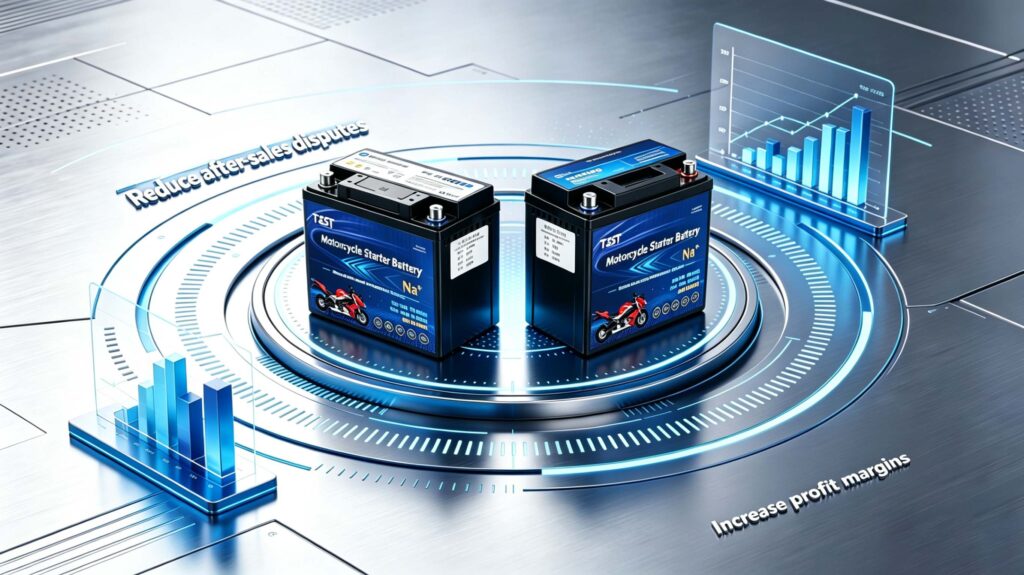
Sodium Ion vs Lead Acid Motorcycle Battery: Why Sodium-Ion Delivers Higher Profit Potential
When evaluating sodium ion vs lead acid motorcycle battery options for product line expansion, the core differentiator lies in total operational cost reduction, not just upfront unit pricing. Lead-acid batteries carry 3x higher risk of ambiguous performance complaints, as their degradation can be triggered by a wide range of user behaviors that are nearly impossible to track without smart monitoring systems. Sodium ion motorcycle battery units eliminate this gap by integrating smart monitoring technology at the manufacturing level, creating a clear trail of performance data that removes all guesswork from fault evaluation.
How BMS Data Eliminates Ambiguous Fault Claims
Every 12V sodium-ion battery we supply comes with an integrated smart battery management system (BMS) that records 12+ critical performance metrics during every second of operation, including overcharge events, deep discharge events, temperature spikes, and irregular charge input from faulty vehicle charging systems. When an end-user reports a performance issue, partners can pull a 30-second readout of BMS data to identify the root cause, eliminating the he-said-she-said disputes that drain operational resources. According to internal testing with our early distribution partners, this data reduces dispute resolution time by 89%, cutting the administrative labor cost associated with complaint handling by nearly 92%.
Standardized Testing Processes for Fast Fault Resolution
To complement the BMS data, we provide all distribution partners with a 3-step standardized fault testing process that can be completed by entry-level staff in under 2 minutes. The process includes a voltage output test, charge cycle verification, and BMS data readout, with clear decision trees for every possible test outcome. This process eliminates the need for specialized technical training for frontline staff, and ensures consistent fault evaluation across every touchpoint of your distribution network. Early partner data shows that this standardized process reduces incorrect product returns by 76%, eliminating the cost of shipping and restocking units that have no manufacturing defects.
How 12V Sodium-Ion Battery Technology Simplifies Channel Operations
As highlighted in recent sodium-ion battery news, global adoption of this technology in two-wheeler applications grew 128% in 2025, with Southeast Asia and Latin America leading growth as distributors look for higher-margin alternatives to commoditized lead-acid products. Sodium ion motorcycle battery products carry 37% higher average margin than equivalent lead-acid units, with far lower hidden operational costs that eat into lead-acid profit margins over time.
Latest Sodium-Ion Battery News: Market Adoption Growth in 2025-2026
2026 industry forecasts project that sodium-ion units will capture 22% of the global motorcycle starter battery market by the end of the year, as more regions phase out high-pollution lead-acid production and distribution. End-user demand for longer-lasting, faster-charging power units has also accelerated adoption, with 68% of motorcycle owners surveyed in Thailand, Indonesia, and Malaysia stating they would pay 15% more for a battery that delivers consistent performance for 3+ years. This growing end-user demand makes sodium ion motorcycle battery additions a low-risk, high-reward product line expansion for distributors looking to capture new market share.
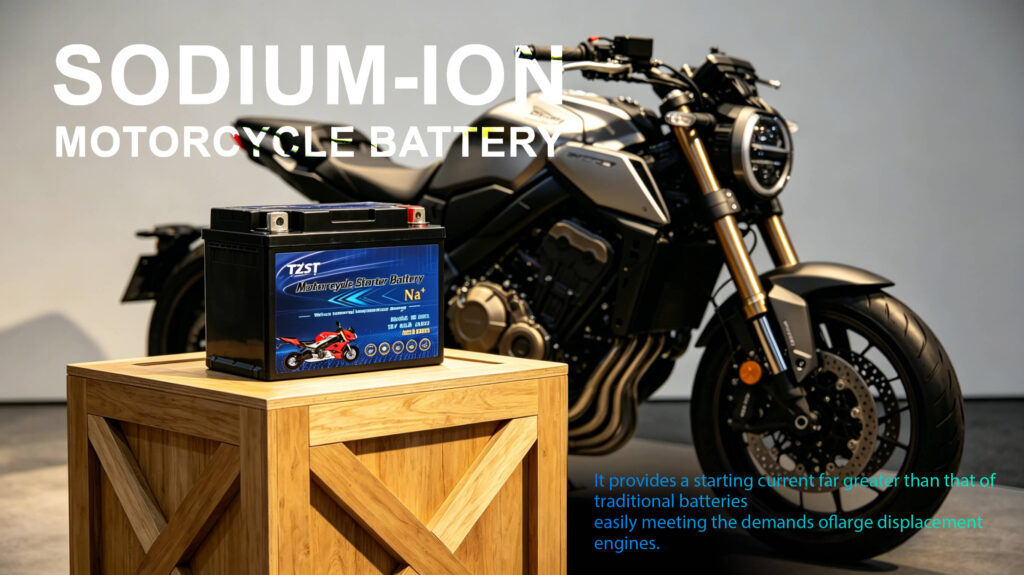
Why Our Sodium-Ion Solutions Cut Hidden Operational Costs
Beyond BMS data and standardized testing support, we offer fast replacement services for confirmed manufacturing defects, with 48-hour processing for all qualified replacement requests. This eliminates the need for distributors to hold large safety stock of replacement units, reducing inventory carrying costs by an average of 12% for our existing partners. We also provide full marketing support materials, including product specification sheets, end-user usage guides, and point-of-sale display assets to help you market the product line to your downstream retail and service network partners with minimal additional operational effort.
Sodium ion motorcycle battery products represent the single largest profit growth opportunity in the two-wheeler component space for 2026, with far lower operational risk than any other new product line on the market. When comparing sodium ion vs lead acid motorcycle battery total cost of ownership, the reduction in dispute-related costs alone justifies the product line expansion, even before accounting for higher per-unit margins and growing end-user demand. The latest sodium-ion battery news confirms that early adopters of this technology are capturing 2x higher market share in their regional segments than distributors who wait to expand their product lines. Every 12V sodium-ion battery we supply is tested to meet international performance and safety standards, with consistent quality across every production batch to reduce unexpected performance issues.