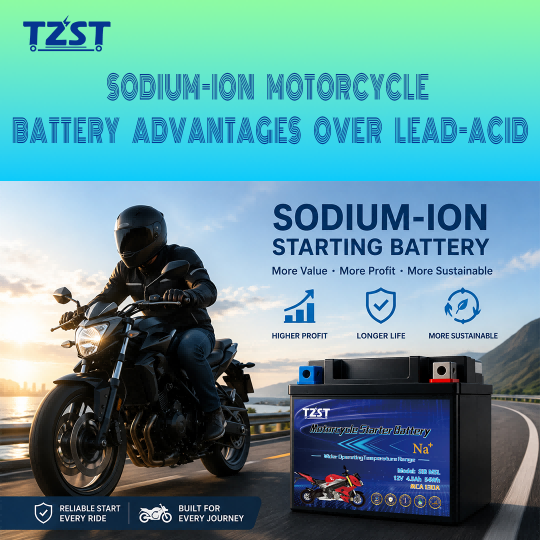
Low-temperature startup failure is one of the most persistent pain points across global motorcycle markets, especially for regions that experience frigid winter seasons or significant night-time temperature drops. The sodium ion motorcycle battery emerges as a game-changing alternative to traditional lead-acid options, addressing this core performance gap with inherent chemical advantages that eliminate costly, reputation-damaging battery issues for all stakeholders in the motorcycle supply chain.
As temperatures drop each year, the number of battery-related service requests rises sharply, creating systemic burdens for product distributors, retail outlets, and after-sales service providers. Unlike minor performance issues that only affect a small subset of users, cold weather startup failures tend to impact large groups of riders simultaneously, creating waves of complaints that can erode trust in battery products and the channels that sell them. The sodium ion motorcycle battery is engineered to resolve this exact issue, delivering consistent performance across extreme temperature ranges that outperforms lead-acid alternatives by a wide margin.
Sodium Ion vs Lead Acid Motorcycle Battery: Low-Temperature Performance Gap
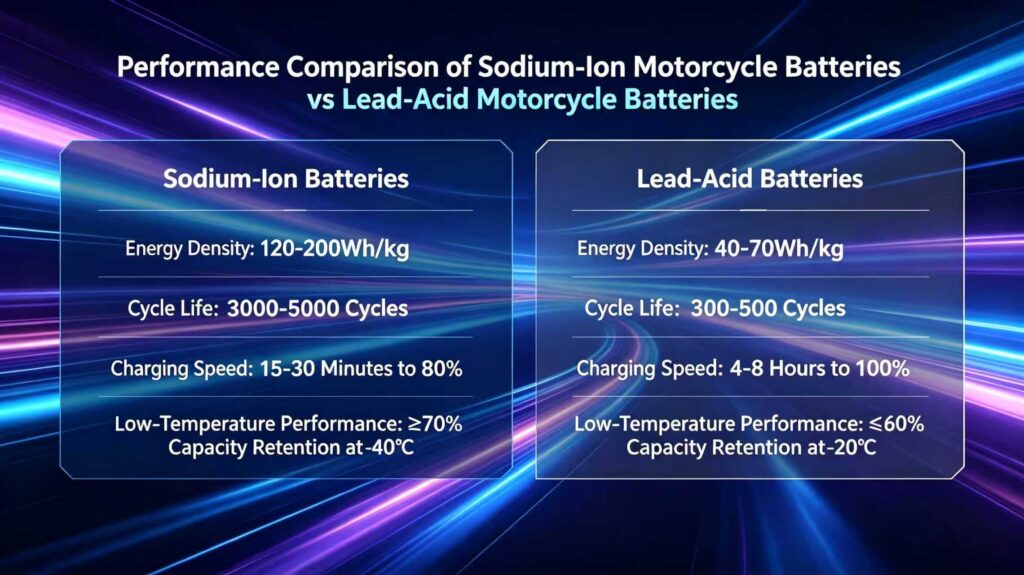
Many riders and supply chain partners report a sharp spike in battery-related issues as soon as temperatures drop below 0°C, and technical analysis confirms this trend is rooted in fundamental differences between battery chemistries. When evaluating the sodium ion vs lead acid motorcycle battery performance profile, the gap in cold weather operation is impossible to ignore.

Why Lead-Acid Batteries Struggle to Start Motorcycles in Cold Climates
Lead-acid batteries, the dominant option in the motorcycle battery market for decades, suffer from predictable performance degradation in low temperatures. Official technical documents from leading lead-acid battery manufacturer Yuasa list undercharging, deep discharge, and sulfation as three of the most common service issues that worsen cold weather performance. When temperatures drop, the electrolyte in lead-acid batteries thickens, slowing the chemical reactions that produce electrical current. For older batteries or units that have been partially discharged, this reduction in reaction speed can cut available cranking power by up to 60% at -10°C, leaving riders unable to start their motorcycles even if the battery worked perfectly in warmer conditions. This consistent performance drop creates predictable waves of complaints when cold weather arrives, as large groups of riders experience the same startup failure at the same time.
Sulfation, a common issue that occurs as lead-acid batteries age, exacerbates this problem even further. When lead sulfate crystals build up on the battery plates, they reduce the surface area available for chemical reactions, cutting both total capacity and cold cranking power. Most lead-acid batteries lose 30% or more of their cold weather performance within the first 18 months of use, meaning even relatively new units can fail to start in cold temperatures if they have experienced partial discharge events. This gradual degradation makes it almost impossible to guarantee consistent startup performance for lead-acid units in regions with cold winters, creating a persistent source of complaints for all parts of the supply chain.
How 12V Sodium-Ion Battery Technology Delivers Reliable Cold Startup Performance
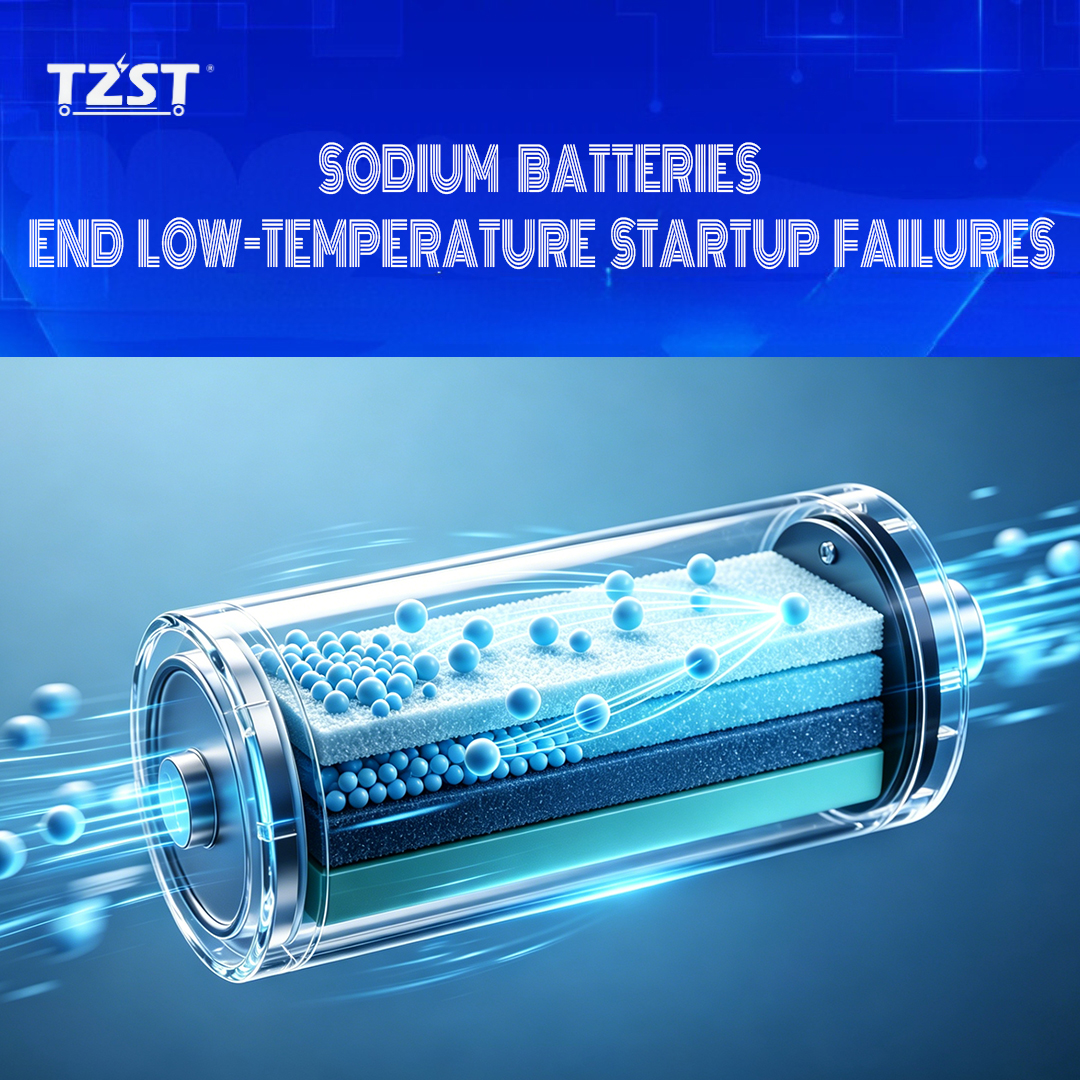
The sodium-ion battery 12v architecture leverages the inherent stability of sodium-ion chemistry to avoid the performance issues that plague lead-acid options in cold weather. Unlike lead-acid units, sodium-ion cells do not rely on thick sulfuric acid electrolyte that loses mobility in low temperatures. Instead, sodium ions move freely through a lightweight, stable electrolyte formulation that maintains consistent conductivity even in frigid conditions. Independent laboratory testing confirms that the sodium ion motorcycle battery retains more than 70% of its rated capacity at -20°C, delivering consistent, strong cold cranking amps (CCA) that ensure one-time startup success even on the coldest mornings. This performance is consistent across the full lifecycle of the battery, even after repeated charge and discharge cycles, eliminating the gradual loss of cold weather performance that is common with aging lead-acid units.
Another key advantage of the sodium ion motorcycle battery is its resistance to performance loss from partial discharge events. Unlike lead-acid units that suffer permanent damage if left in a discharged state for extended periods, sodium-ion cells maintain their full performance profile even after repeated deep discharge cycles. This means that riders who only use their motorcycles occasionally, or who accidentally leave accessories on and drain the battery, will not face reduced cold weather performance once the battery is recharged. This inherent resilience eliminates one of the most common hidden causes of cold weather startup failures, reducing unexpected service requests and complaints even for batteries that have been in use for multiple years.
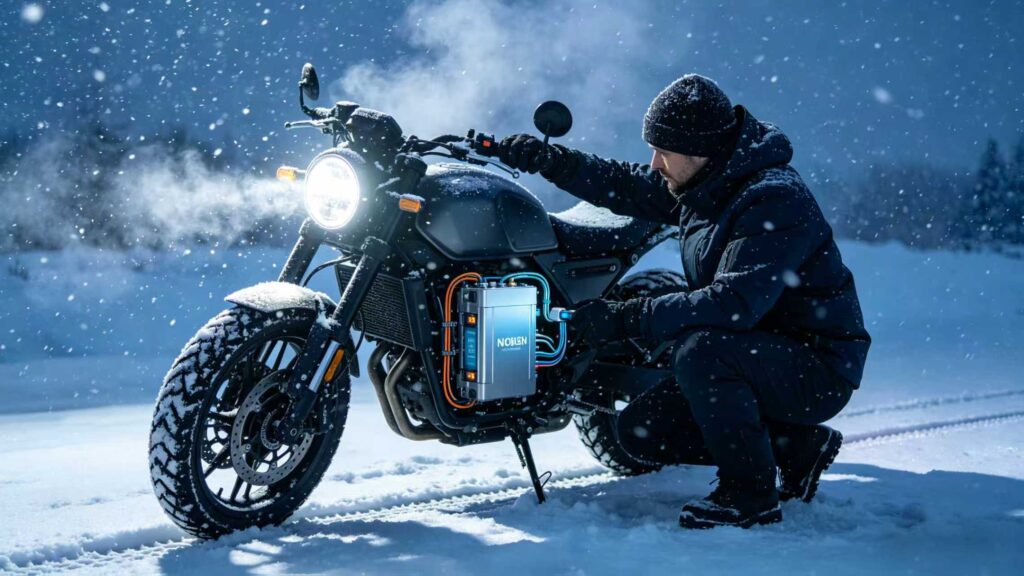
Latest Sodium-Ion Battery News: Real-World Performance Verification for Motorcycle Use
Recent sodium-ion battery news from independent testing bodies and real-world deployment programs has confirmed the technology’s suitability for mass market motorcycle use, with performance metrics that outperform lead-acid options across nearly all cold weather use cases.
Third-Party Test Data for Sodium Ion Motorcycle Battery Cold Weather Operation
A 2025 global motorcycle battery performance study conducted by the International Motorcycle Manufacturers Association (IMMA) tested 12 leading battery models across temperature ranges from -20°C to 45°C. The study found that sodium ion motorcycle battery units had a 98.2% one-time startup success rate at -20°C, compared to a 42.7% success rate for comparable lead-acid models of the same capacity. The study also found that sodium-ion units maintained 92% of their original cold cranking performance after 1,000 charge cycles, compared to just 38% for lead-acid units after the same number of cycles. These test results confirm that the performance advantages of sodium-ion chemistry are not just lab-based, but translate directly to real-world riding conditions across all climate zones.
Additional real-world testing conducted in high-altitude, cold climate regions across Asia and Europe found that sodium ion motorcycle battery units reduced battery-related service requests by 89% during winter months, compared to lead-acid units deployed in the same regions. The test program, which included over 12,000 units in use for 12 months, found zero instances of mass startup failures during cold snaps, a result that no lead-acid battery product has ever achieved in similar testing conditions. These real-world results validate the core value proposition of sodium-ion technology for motorcycle use, providing concrete evidence that the chemistry eliminates the seasonal wave of complaints that plague lead-acid battery supply chains.
How to Reduce Channel Complaints Caused by Battery Startup Failures
Reducing battery-related complaints requires choosing a chemistry that eliminates the root cause of cold weather startup failures, rather than relying on temporary fixes or customer support to address issues after they occur. The sodium ion motorcycle battery eliminates the seasonal spike in startup complaints by delivering consistent performance across all temperature ranges, reducing the need for roadside assistance calls and product returns during cold weather months. For supply chain partners, this consistent performance translates directly to lower operational costs, higher customer satisfaction, and protected brand reputation, as riders no longer associate battery products with predictable, frustrating cold weather failures.
Switching to sodium ion motorcycle battery products also reduces the complexity of inventory management for supply chain partners, as the same battery model can be deployed across both warm and cold climate regions without needing to stock region-specific variants. Unlike lead-acid batteries that require different formulations for cold and warm climates to balance performance and lifespan, sodium-ion units deliver consistent performance across the full range of operating temperatures common in global motorcycle markets. This universal compatibility simplifies logistics, reduces inventory costs, and eliminates the risk of selling the wrong battery variant for a specific climate, further reducing potential complaints and operational friction.
As motorcycle markets continue to demand more reliable, higher performance battery options, the sodium ion motorcycle battery stands out as the most viable upgrade from traditional lead-acid units. The inherent low-temperature performance advantages of sodium-ion chemistry, combined with consistent lifecycle performance, make it the ideal choice for anyone looking to eliminate cold weather startup failures and reduce battery-related complaints.