When you evaluate sodium ion vs lead acid motorcycle battery options for your distribution network, you likely prioritize upfront unit cost first. But many channel partners overlook the hidden expenses that eat into long-term profits far more than small price gaps between product lines. These costs almost never appear when the battery is being used by a rider on the road. They start much earlier, sitting on warehouse shelves, in wholesaler storage areas, and behind repair shop counters across your supply chain. These are the pain points distributors flag most often in our conversations, and they all trace back to inherent limitations of traditional lead-acid technology.
For decades, lead-acid motorcycle batteries have been the default option for most global markets. They are familiar to retailers and end customers alike, and their low upfront price seems appealing at first glance. But as more distributors compare sodium ion vs lead acid motorcycle battery total cost of ownership, they find that lead-acid options carry far more hidden costs that drag down channel profitability. The single most expensive of these hidden costs is the sky-high return rates triggered by weak startup performance.
The Hidden Channel Costs Tied to Lead-Acid Motorcycle Batteries
If you work with lead-acid motorcycle batteries, you have almost certainly dealt with this scenario before: you ship a full batch of fully tested, brand-new batteries to a retail partner. A few months later, you get a flood of return requests, with customers claiming the batteries are dead on arrival. When you test the returned units, you find they only lost a portion of their charge during storage, not that they have actual manufacturing defects. But for the end customer, a battery that cannot crank their motorcycle on the first try is a faulty product, and they will reject it immediately.
This cycle repeats thousands of times across distribution networks every year, and the costs add up fast. You pay for return shipping for each rejected unit. Your team spends hours processing return requests, issuing refunds, and restocking or discarding units that cannot be resold. Your retail partners lose trust in your product line, because they have to deal with frustrated customers who leave negative reviews or take their business elsewhere. You also lose potential sales when retail partners refuse to restock your batteries after dealing with too many return issues.
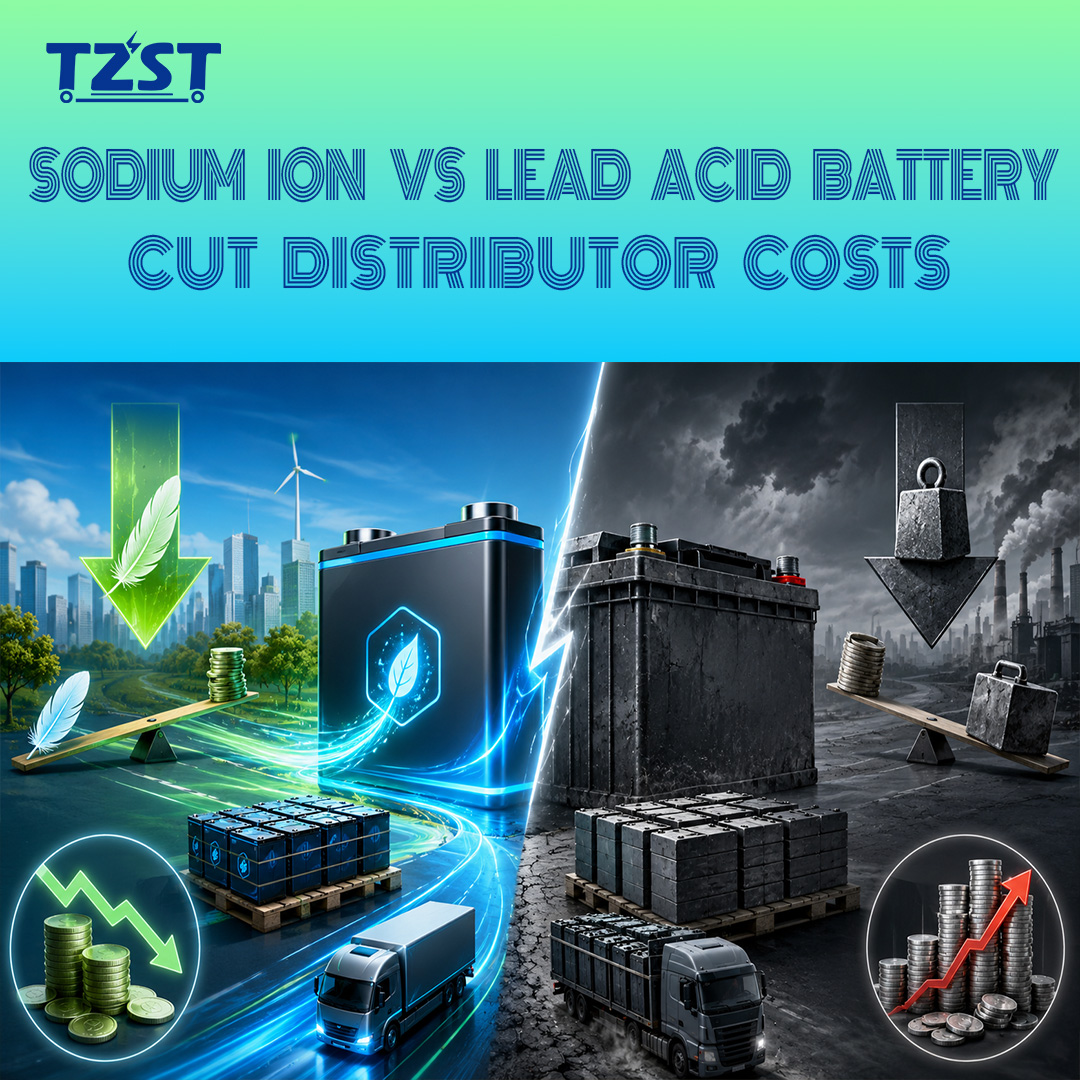
When you run a full cost analysis of sodium ion vs lead acid motorcycle battery offerings, these hidden return costs often make lead-acid options far more expensive than sodium-ion alternatives over time. Even a small percentage of return rates per batch can erase all the profit you make on that shipment, especially when you account for the labor and operational costs tied to processing those returns.
Why Weak Startup Performance Triggers Sky-High Return Rates
Lead-acid motorcycle batteries have a fundamental design limitation that causes this problem: they lose charge steadily while in storage, even when they are not connected to any device. The rate of charge loss increases in warmer or more humid climates, which are common across many of the fastest growing motorcycle markets in the world. Even if you test every single battery before you ship it out, the months it spends in transit and on retail shelves will drain enough charge that many units will not deliver enough power for a strong first startup.
End customers do not care about the storage conditions that caused the weak startup. They expect a brand-new battery to crank their motorcycle perfectly the first time they install it. Slow cranking is an immediate red flag for most riders, who will assume the battery is low quality or defective. Most will ask for a refund or exchange right at the point of sale, before even leaving the repair shop or retail store.
This issue is almost impossible to eliminate with lead-acid technology. You can add extra steps like pre-charging units right before shipping, or asking retail partners to charge batteries before they put them on shelves, but these steps add extra labor costs for both you and your partners. They also do not guarantee that the battery will hold enough charge by the time a customer purchases it. For many distributors, this is a lose-lose situation: either you spend extra money on pre-shipping maintenance, or you deal with high return rates that eat into your profits. When you compare sodium ion vs lead acid motorcycle battery performance in storage, you will find that sodium-ion technology solves this problem entirely.
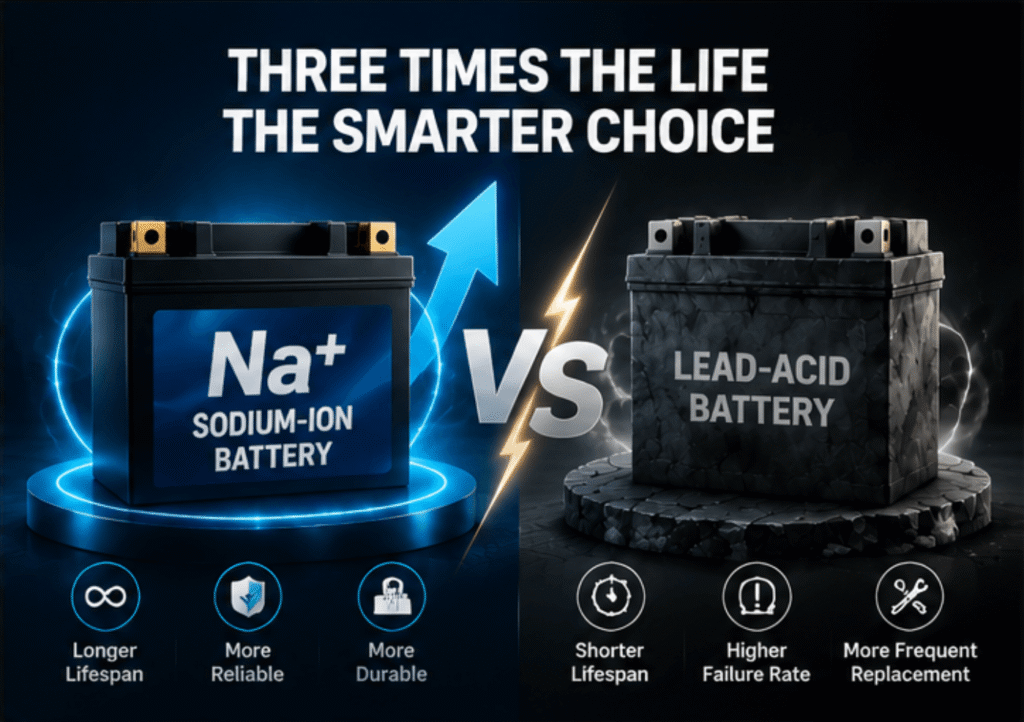
How Sodium-Ion Motorcycle Starter Batteries Solve These Pain Points
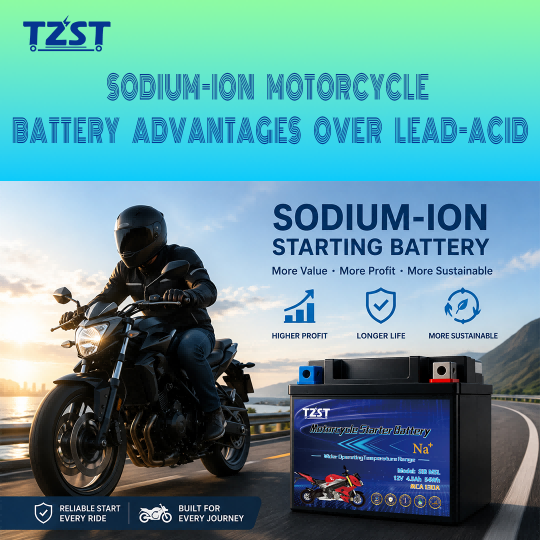
Sodium-ion technology is a newer alternative to lead-acid that is built specifically to address the most common pain points of motorcycle battery distributors and riders. Unlike lead-acid units, sodium-ion motorcycle batteries are designed to hold their charge for far longer periods when in storage, with minimal charge loss even in warm or humid conditions. This core design difference eliminates almost all of the return costs tied to weak startup performance.
Every time we work with a distributor to compare sodium ion vs lead acid motorcycle battery return rates after switching to our product line, they see an immediate and dramatic drop in return requests related to dead on arrival or weak startup issues. This creates a ripple effect of benefits across your entire distribution channel, from reduced operational costs to improved partner trust.
Consistent Startup Performance Even After Long Storage Periods
Sodium-ion motorcycle starter batteries hold their charge far better during storage than lead-acid alternatives. You can store them in your warehouse for months without any regular maintenance charging, and they will still deliver enough power to crank a motorcycle reliably on the first try when a customer purchases them. This eliminates the core cause of weak startup returns entirely.
You no longer have to spend extra labor hours testing and pre-charging units before you ship them out. You also do not have to ask your retail partners to take on extra work charging batteries before they display them, which makes your product line far more appealing to retailers who already have limited staff time. You will almost eliminate point-of-sale rejections, because customers get a battery that works perfectly the first time they install it, every time.
When you compare sodium ion vs lead acid motorcycle battery storage requirements, you will also find that sodium-ion units do not need any special climate control or storage conditions to retain their charge. You can store them alongside other regular inventory, with no extra monitoring or maintenance required. This cuts down on extra storage costs that many distributors incur to keep lead-acid batteries in optimal condition during storage.
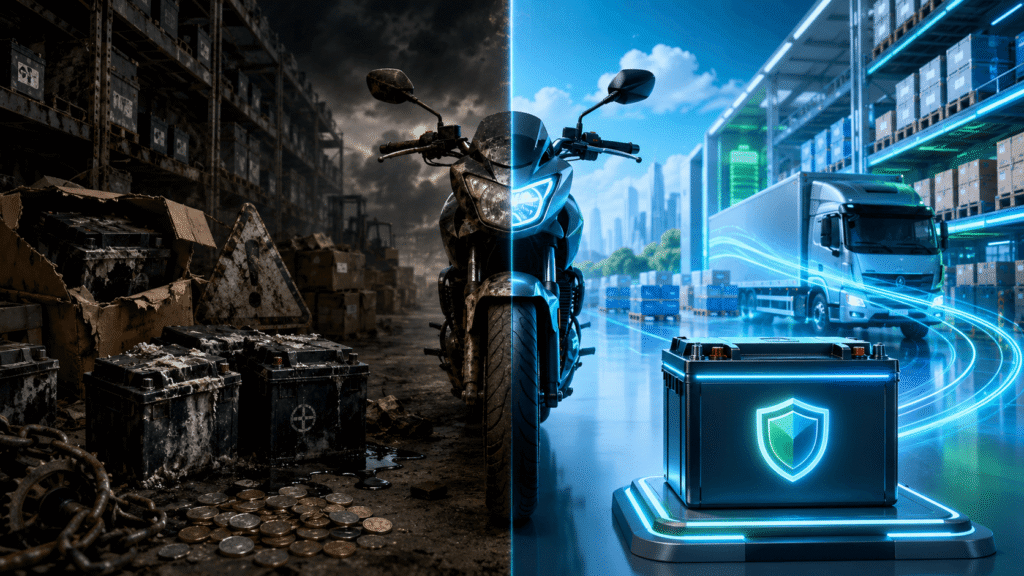
Switching to Sodium-Ion Batteries Improves Your Channel Profitability
The cost benefits of switching to sodium-ion motorcycle batteries go far beyond just reduced return rates. When you run a full comparison of sodium ion vs lead acid motorcycle battery total cost of ownership for your channel, you will find that sodium-ion options deliver higher profit margins over time, even if their upfront unit cost is slightly higher than lead-acid alternatives.
You will reduce operational costs across your entire supply chain, from less labor spent processing returns to lower storage and maintenance costs for your inventory. You will also build stronger relationships with your retail partners, who will appreciate selling a more reliable product that generates fewer customer complaints. This makes your partners more likely to prioritize your battery line over competing options, which drives higher sales volumes over time.
What Distributors Can Expect After Making the Switch
Most distributors see a drop in battery return rates within the first few months of switching to sodium-ion options, which frees up your customer service and operations teams to focus on growing your business instead of resolving return issues. Your retail partners will report higher customer satisfaction scores for your battery line, and many will increase their order sizes once they see how few complaints they get from end customers.
You also eliminate inventory waste tied to lead-acid batteries that lose too much charge during storage to be resold. Many distributors throw away or heavily discount large batches of lead-acid batteries every year because they have been sitting in storage too long and cannot hold enough charge to sell. With sodium-ion batteries, you will almost eliminate this type of inventory waste, which adds even more to your bottom line.
TZST offers a full line of sodium-ion motorcycle starter batteries built specifically to address the common pain points that distributors face with traditional lead-acid options. Our products are designed to work across all common motorcycle models used in global markets, with reliable performance that meets the needs of both casual daily riders and frequent commercial users.
Explore TZST’s full selection of sodium-ion motorcycle starter batteries today to find the right options for your distribution channel, and eliminate the hidden costs tied to lead-acid battery inventory for good.