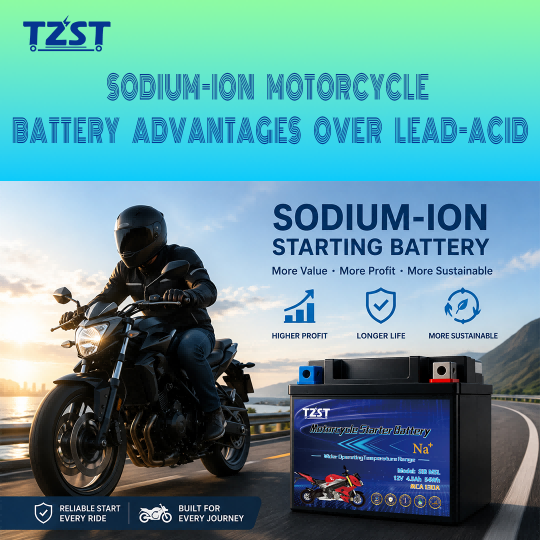
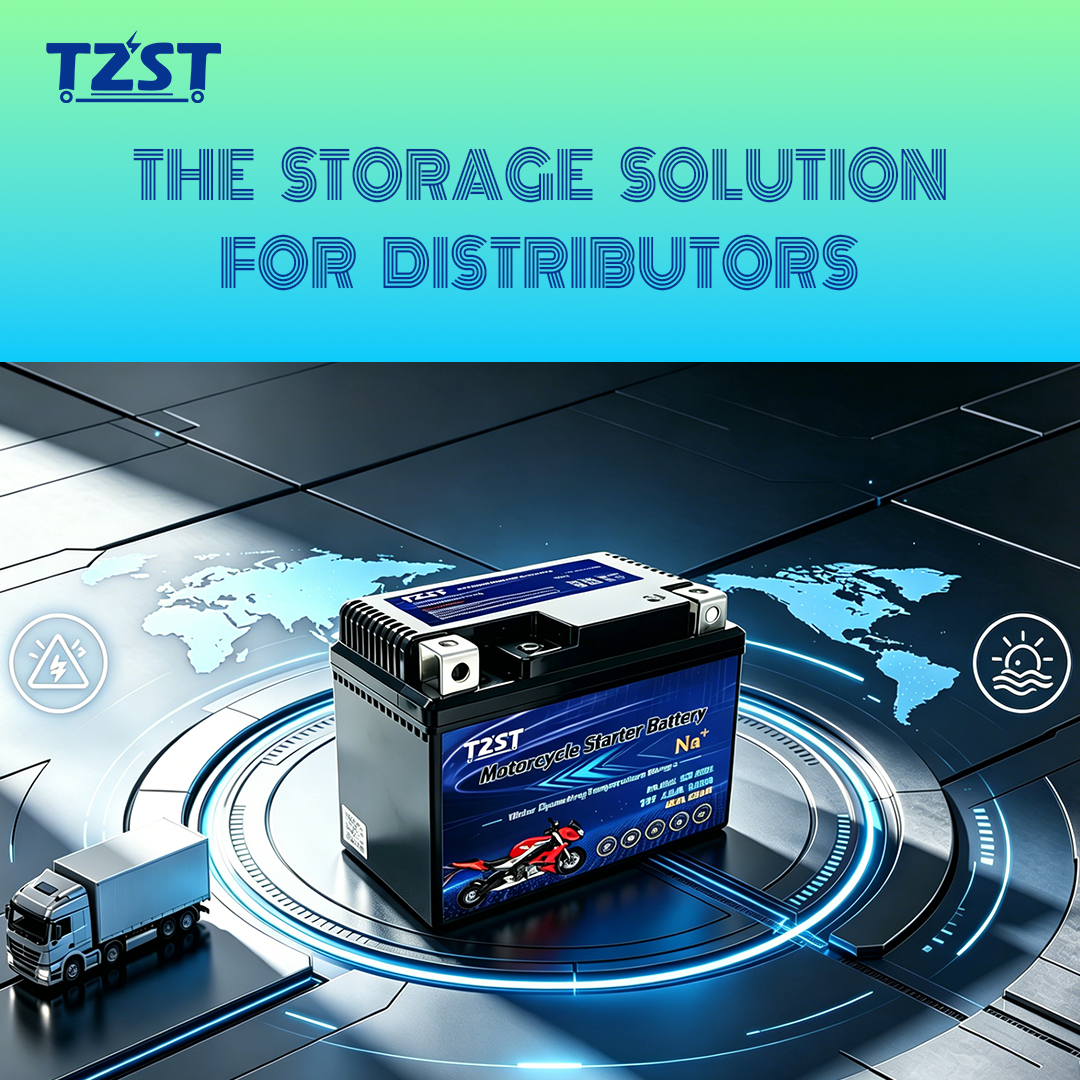
For global motorcycle battery distributors, choosing sodium ion vs lead acid motorcycle battery is no longer just a technical specification—it is a strategic business decision that directly determines storage costs, dead stock risks, warehouse efficiency, and long‑term profitability across climate‑controlled storage facilities, wholesaler shelves, and repair shop service counters. These unplanned, hidden costs steadily erode distributor margins in every market, which is why a growing number of channel partners are switching to sodium‑ion solutions to eliminate the long‑standing inventory pain points created by conventional lead‑acid systems.
Sodium-Ion vs Lead Acid Motorcycle Battery: Storage Performance Compared
Lead-acid motorcycle batteries have been the standard for decades, but their inherent chemical limitations create measurable losses for distribution partners at every step of the supply chain. Unlike newer chemistries, lead-acid units experience natural, unavoidable capacity degradation during extended storage, even when kept in ideal temperature and humidity conditions. This gradual capacity loss often leads to large volumes of dead stock, as units that sit on shelves for extended periods no longer hold enough charge to function properly when a customer makes a purchase. Sulfation, a common chemical reaction that occurs in unused lead-acid batteries, further damages internal components, rendering entire batches of inventory unsellable before they ever reach an end user. These write-offs represent a significant, recurring drain on distributor margins, and they are a direct result of the core limitations of lead-acid chemistry.
When evaluating the sodium ion vs lead acid motorcycle battery storage performance gap, the differences are immediately clear for channel operators. Sodium-ion chemistry is inherently far more stable during long-term storage, with minimal capacity loss even when units sit unused for extended periods. This stability eliminates the risk of unexpected dead stock caused by natural chemical degradation, and it removes the need for distributors to regularly test and charge inventory sitting on shelves. For partners operating in regions with high ambient temperatures and humidity, this performance difference is even more impactful, as extreme environmental conditions accelerate capacity loss in lead-acid units far faster than they impact sodium-ion models. Many distributors that have switched to sodium-ion options report a dramatic reduction in unsold inventory write-offs, directly improving their bottom line without requiring changes to existing storage infrastructure.
Why Sodium-Ion vs Lead Acid Motorcycle Battery Matters for Distributors
Beyond storage stability, there are multiple sodium ion motorcycle battery advantages that directly address common pain points for distribution channel partners across global markets. These benefits extend across every step of your supply chain, from the moment you receive inventory from a manufacturer to the moment you deliver a unit to a repair shop or retail partner.
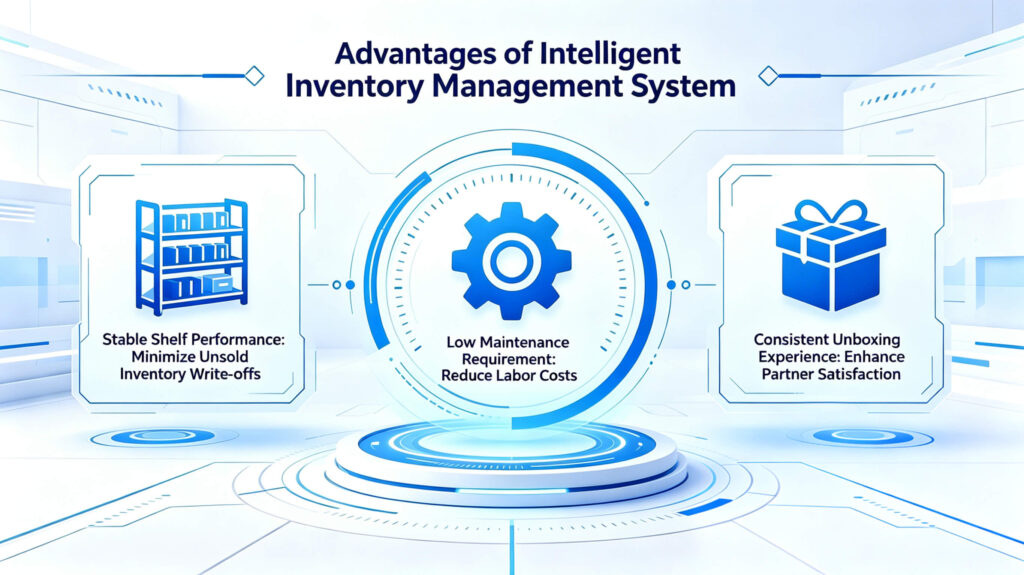
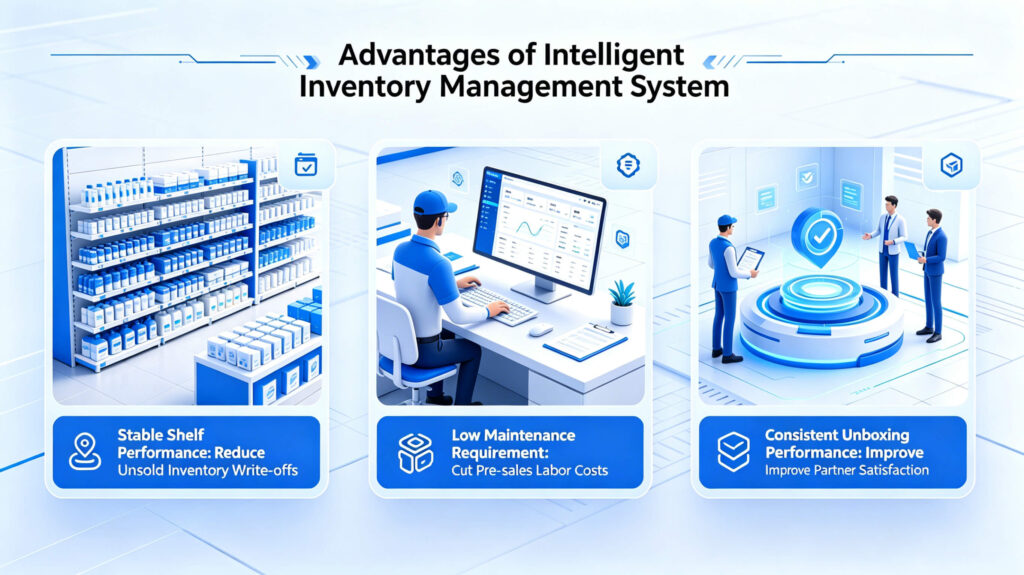
Stable Shelf Performance Reduces Unsold Write-Offs
The most impactful of all sodium ion motorcycle battery advantages for distributors is the near-elimination of storage-related inventory loss. Unlike lead-acid units that require regular maintenance to retain functionality during storage, sodium-ion units can sit on shelves for extended periods without any intervention, and they will still deliver consistent, expected performance when they are sold to an end user. This means you no longer have to write off large batches of inventory that have degraded while waiting to be sold, and you can order larger volumes of stock to meet seasonal demand spikes without worrying about units losing functionality before they are purchased. For partners operating across multiple regional warehouses, this stability also eliminates the cost and risk of moving inventory between locations to avoid storage-related degradation.
Lower Pre-Sale Maintenance Requirements Cut Labor Expenses
Lead-acid battery inventory requires regular, labor-intensive maintenance to minimize storage loss. Warehouse teams have to schedule regular charge cycles for unsold units, run routine capacity tests to identify degraded units, and sort through inventory to remove unsellable batches before they take up valuable shelf space. These recurring labor tasks add up to significant operational costs over time, and they pull team members away from higher-value tasks like order fulfillment and partner support. Sodium-ion motorcycle battery units require no pre-sale maintenance during storage, eliminating these recurring labor costs entirely. Warehouse teams no longer have to dedicate time to regular battery testing and charging, and they can process incoming and outgoing inventory far faster, improving overall operational efficiency across your entire distribution network.
Consistent Out-of-Box Performance Improves Partner Satisfaction
For wholesalers and repair shop partners, nothing damages trust faster than receiving a batch of batteries that fail to work right out of the box. Lead-acid units often arrive at partner locations with reduced capacity from storage during transit and warehousing, leading to frequent complaints, product returns, and damaged partner relationships. Sodium-ion motorcycle battery units deliver consistent, reliable out-of-box performance every time, even after long transit and storage periods. Your partners can install the units directly into customer motorcycles without pre-charging or testing, improving their own operational efficiency and increasing their satisfaction with your product offerings. This consistent performance also reduces the volume of product returns you receive from partners, further cutting operational costs and reducing administrative work for your support team.
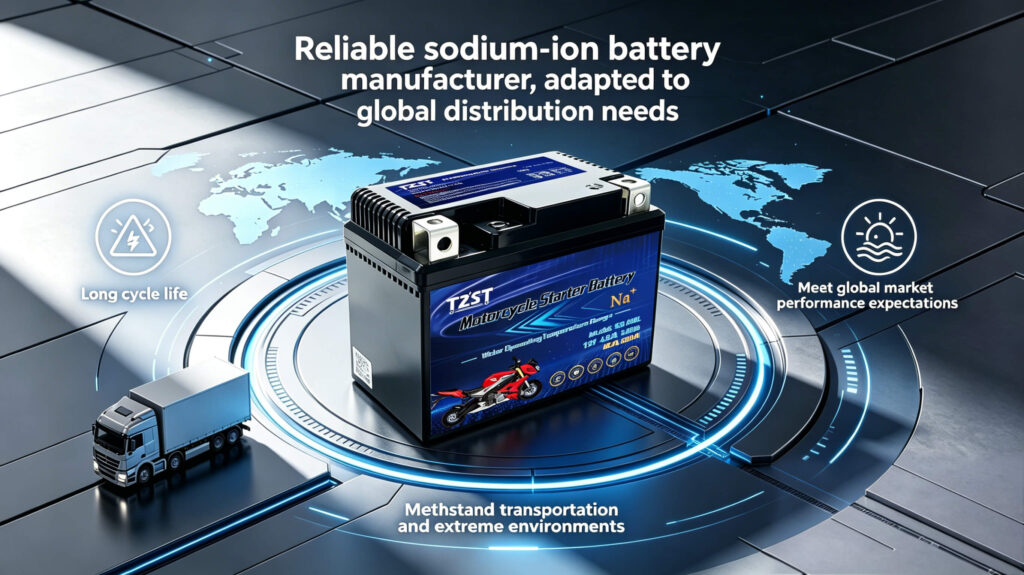
Reliable Sodium-Ion Battery Manufacture for Global Distribution Needs
To unlock all of these benefits, it is critical to partner with a trusted sodium-ion battery manufacture that builds units specifically designed for the unique needs of global distribution channels. Not all sodium-ion battery producers design their products with the storage and transit demands of cross-border supply chains in mind, so selecting a manufacturer with deep experience in the motorcycle battery market is essential to get the best possible results for your operation. The right manufacturer will build units that are optimized for long storage life, resistant to damage from transit and extreme environmental conditions, and aligned with the performance expectations of end users across all your target markets.
When evaluating potential sodium-ion battery manufacture partners, look for teams that prioritize consistent quality across every production batch, and that have a proven track record of supporting distribution partners in your target regions. This ensures that every unit you receive will deliver the stable storage performance and reliable functionality you need to cut hidden costs and improve your margins. Working with an experienced manufacturer also gives you access to support teams that understand the unique challenges of motorcycle battery distribution, and that can help you adjust your inventory strategies to maximize the benefits of sodium-ion chemistry for your specific operation.
Across the global motorcycle battery market, sodium-ion technology is quickly becoming the preferred choice for distribution partners looking to eliminate the hidden costs associated with lead-acid inventory storage and maintenance. The stable performance, low maintenance requirements, and consistent out-of-box functionality of these units create tangible value for distributors, wholesalers, and repair shop partners alike, while also delivering a better experience for end users who purchase the batteries for their motorcycles.
Shop TZST’s sodium-ion motorcycle batteries: reach out to our team to explore our high-performance models built for distribution efficiency!